Grotte des Cottés, St-Pierre-de-Maillé
Responsable : Marie Soressi

Responsable : Marie Soressi
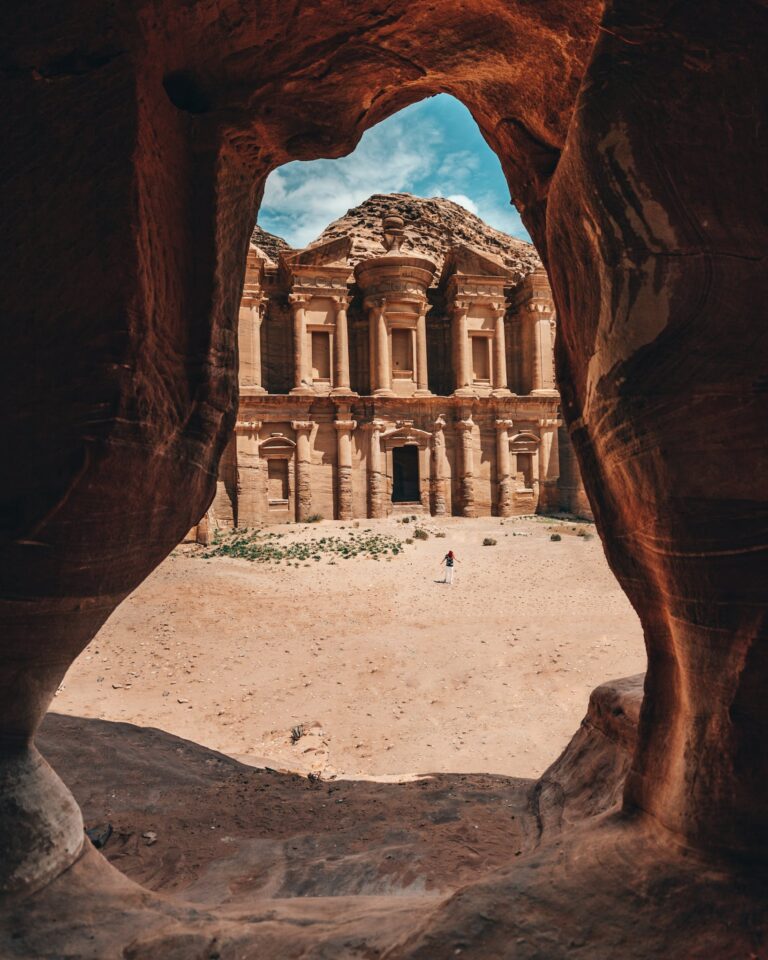
The study of inscriptions, cultural practices, and archaeological artifacts from excavations and surveys is inseparable from the study of sites and paves the way for a better understanding of the intellectual and material life of past civilizations. This research is a key element for understanding exchanges and their geographical expansion, ideas and artistic movements, and…
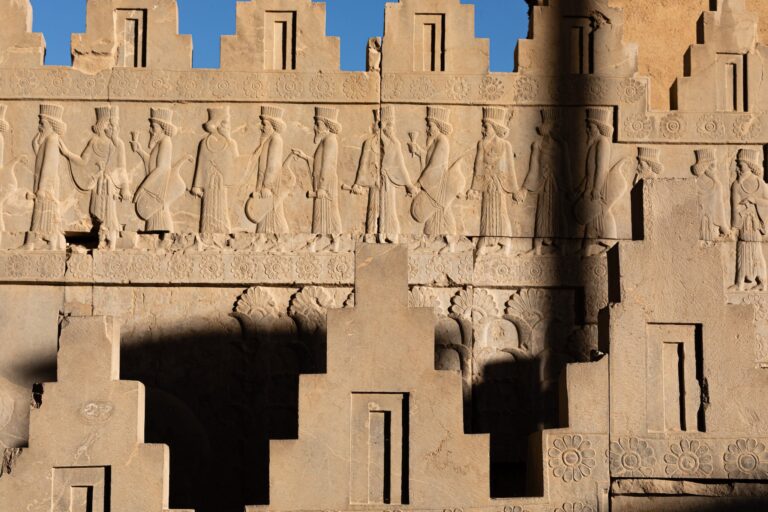
The ways of appropriating and organizing peri-urban space and territory (territory organization and protection, circulation and access [roads, stations], resource management [irrigation, quarries/mines]), whether they have led to the formation and development of dense or dispersed settlements (cities, villages, settlements on arid margins), or result from the activity of these settlements in their immediate environment…

Cette thématique représente l’un des axes majeurs de notre équipe. La zone d’étude porte sur les territoires de l’Europe occidentale et orientale, du Proche et Moyen Orient et de l’Afrique du Sud durant le Dernier glaciaire. Ces zones sont les témoins de phénomènes techniques changeants et novateurs, et d’humanités différentes — Neandertal et l’Homme moderne…

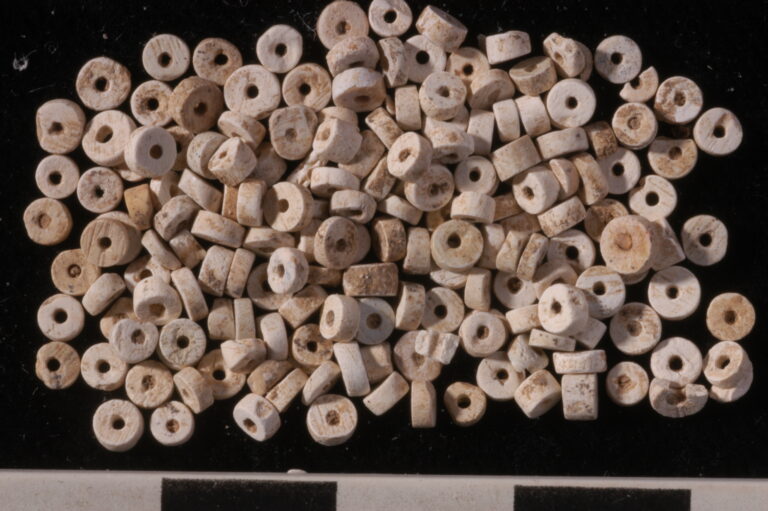
Le cimetière de Tell Shiukh Fawqani, découvert par hasard en 1997, à 70 m environ du nord du tell a ensuite été fouillé en 1998, 2000 et 2003 (dir L. Bachelot et F.M. Fales (1997-1998) puis L. Bachelot). Daté de la toute fin de l’âge du Bronze récent et du début de l’âge du Fer, il a livré 128…
Le samedi 11 octobre à 13h, Valérie Fauvinet-Ranson, maître de conférences de langue et littérature latines à Nanterre (UFR PHILLIA, UMR ArScAN, équipe THEMAM) soutiendra son dossier d’Habilitation à diriger des recherches composé du volume de ses publications, d’un volume de synthèse intitulé En marges et d’un volume inédit consacré au livre I des Variae…