-
-
Séminaire : Histoire urbaine de l’Orient romain tardif
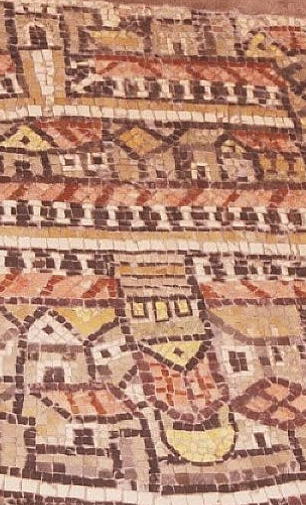
Programme du séminaire 2024-2025 animé par Catherine Saliou à l’École Pratique des Hautes ÉtudesLien vers le carnet Hypothèse ici Le séminaire aura lieu les jeudis de 14h à 16h, à partir du jeudi 24 octobre 2024, à la Maison des Sciences de l’Homme, 54 boulevard Raspail, salle 19. I. “Topographie légendaire”. Relire Maurice Halbwachs (du…
-
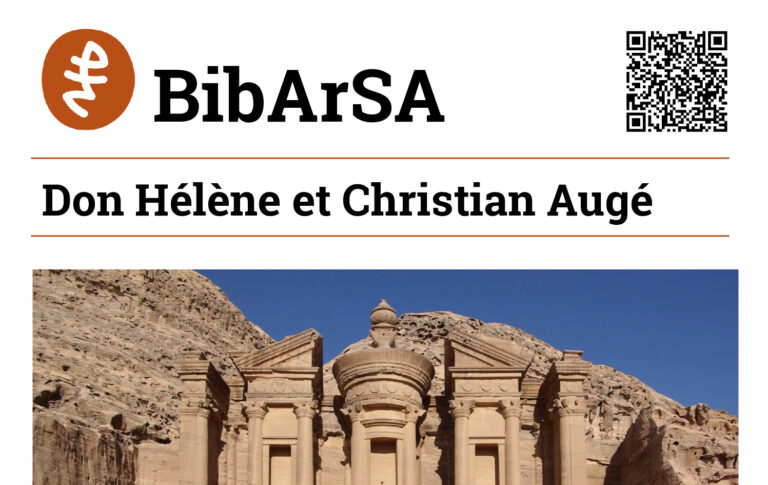
Archivage : BibArSA – Don Hélène et Christian Augé
La bibliothèque d’archéologie et des sciences de l’Antiquité (BibArSA) a le plaisir d’annoncer la fin du traitement du généreux don d’Hélène et de Christian Augé (ancien directeur de la mission archéologique française au Proche-Orient), obtenu par l’intermédiaire de l’équipe OrAm, du laboratoire ArScAn. Cette collection enrichit nos fonds de numismatique gréco-romaine et orientale, mais également ceux…
-
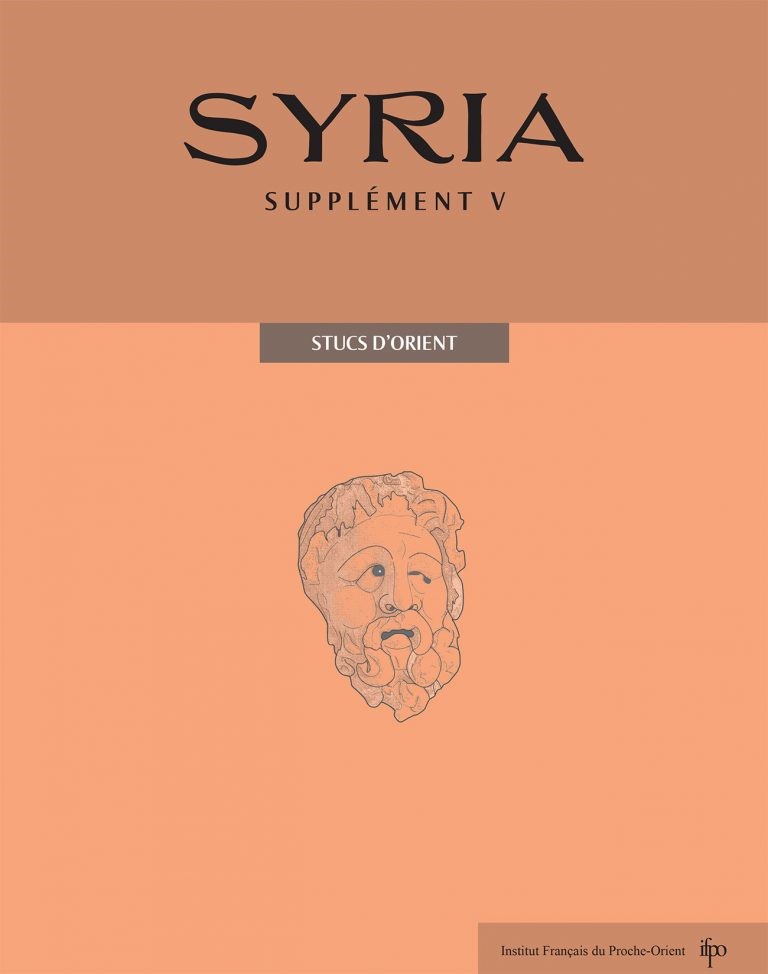
Publication : SYRIA Supplément V Stucs d’Orient
Traditions orientales et cultures hellénisées Sous la direction de Jacqueline Dentzer-Feydy, Anne-Marie Guimier-Sorbets et Christiane Delplace. Ce volume rassemble les communications de deux colloques internationaux sur les stucs d’Orient. Le but de ce colloque était de mettre en lumière les origines, en Orient et dans le monde grec, des décors muraux en saillie, en stuc, en plâtre ou argile, à…
-
Makaynun (Jawf-Hadramawt)
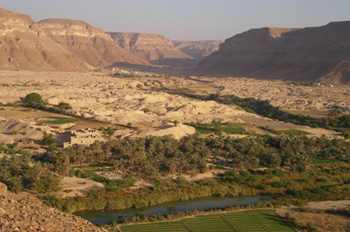
As part of the French Archaeological Mission in Jawf-Hadramawt, Michel Mouton’s work focuses on the territory of the South Arabian site of Makaynun (Hadramawt). This site, occupied from at least the second half of the 2nd millennium until the beginning of our era, is part of an agricultural landscape developed over the centuries from complex…
-
Collective Projects
Collective Projects Developed collaboratively, evolving, and broadly open across the humanities, the Collective Projects encourage joint work beyond the chronological or geographical boundaries specific to the teams over the course of a five-year project or longer. Serving as meeting places for the members of the UMR, these projects are led by at least two internal…
-
Expressions, Practices, Representations – From Production to Exchange
The study of inscriptions, cultural practices, and archaeological artifacts from excavations and surveys is inseparable from the study of sites and paves the way for a better understanding of the intellectual and material life of past civilizations. This research is a key element for understanding exchanges and their geographical expansion, ideas and artistic movements, and…
-
Space/territory
The ways of appropriating and organizing peri-urban space and territory (territory organization and protection, circulation and access [roads, stations], resource management [irrigation, quarries/mines]), whether they have led to the formation and development of dense or dispersed settlements (cities, villages, settlements on arid margins), or result from the activity of these settlements in their immediate environment…
-
City
Studies on buildings, whether rural or urban, and on the urbanization of regional centers are at the heart of our programs and have accelerated in recent years, in particular with the survey campaigns of houses in southern Syria by the OrAM team (M. Gelin, F.Villeneuve, P.-M. Blanc, Th. Fournet, etc.), the IFPO and the French…
-
The city of Shabwa in Hadhramawt
The years 2003-2004 were mainly devoted to the publication of our research in Yemen. Indeed, since the excavations at Shabwa could not continue – for reasons beyond our control – it quickly became necessary to start publishing them. Initially, the manuscript for the fourth volume of the Shabwa Excavations was completely revised and then sent…
-
Cyrrhus: Study of the Citadel
the archaeological site The site of Cyrrhus-Nebi Houri is located near the Syrian-Turkish border. The city, covering nearly 65 hectares and the capital of Cyrrhestica, was founded by Seleucus I and then successively occupied during the Roman, Byzantine, and Islamic periods. Its location on the main routes leading from Antioch to the Euphrates or towards…
-
Dura-Europos: mudbrick architecture, the Roman house, and the Temple of Bel
the archaeological site Dura-Europos on the Euphrates is located in the southeast of Syria, near the current border with Iraq. The city, covering just over 60 hectares and situated at a crossing point of the Euphrates, was a stop along the routes that led from east to west. It is believed to have been founded…