Séminaire organisé dans le cadre de l’Action Collective Argiles
18 septembre 2026
14h – 16h
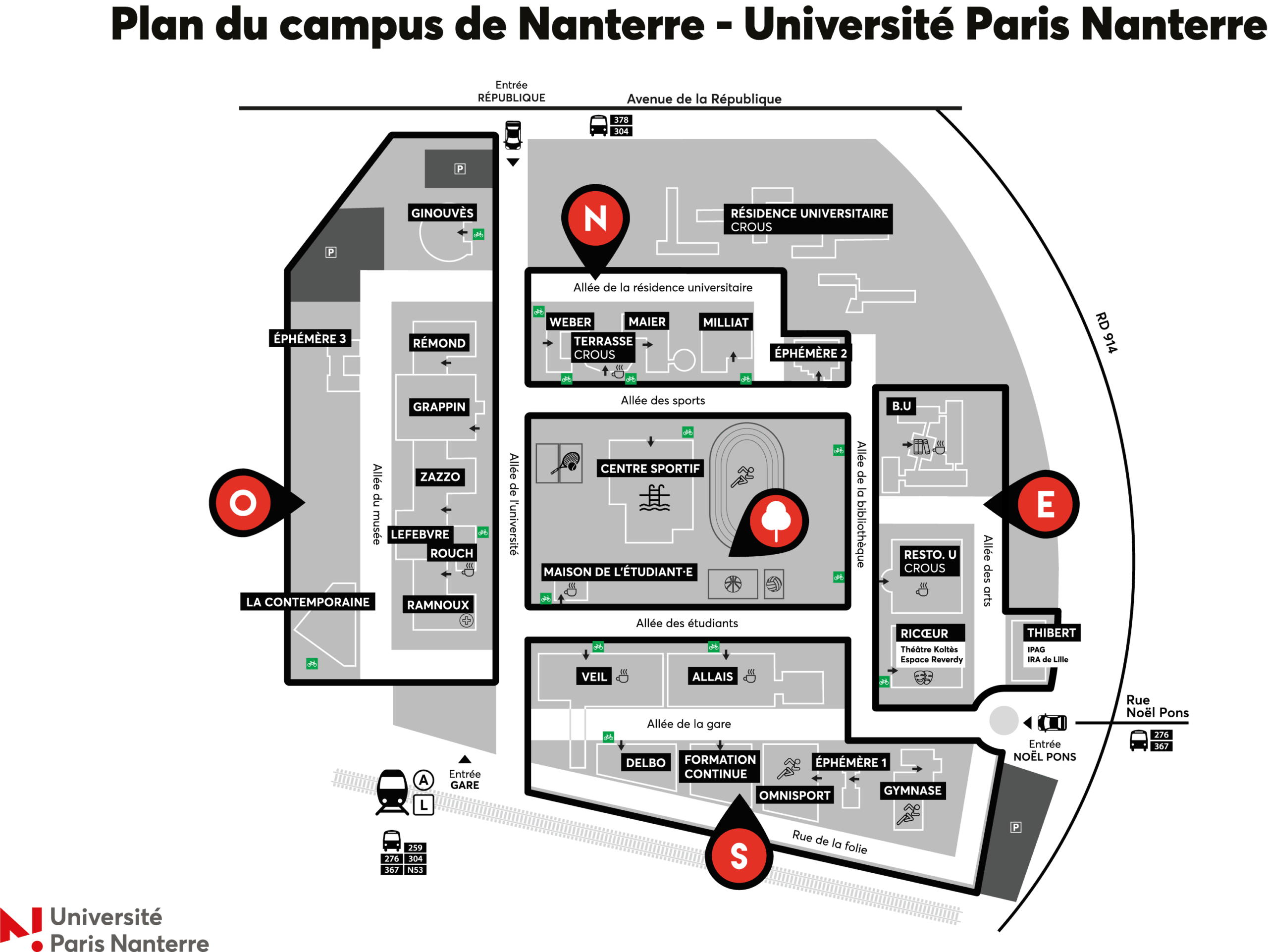
MSH Mondes, Campus Paris Nanterre
Salle du Conseil, 4e étage
Nous avons le plaisir de vous inviter au séminaire organisé dans le cadre de l’action collective d’ArScAn « Argiles », qui aura lieu le 18 septembre 2026, de 14 h à 16 h.
À cette occasion, nous accueillerons Catherine Lara (ArScAn/Protohistoire égéenne) et Costanza Coppini (Université Paris 1/ANHIMA), qui présenteront leur travaux respectifs portant sur des approches aussi bien technologiques qu’ethnoarchéologiques des céramiques.
Présentation des interventions
IDENTITÉ, CHOIX TECHNIQUES ET EXPERTISE :
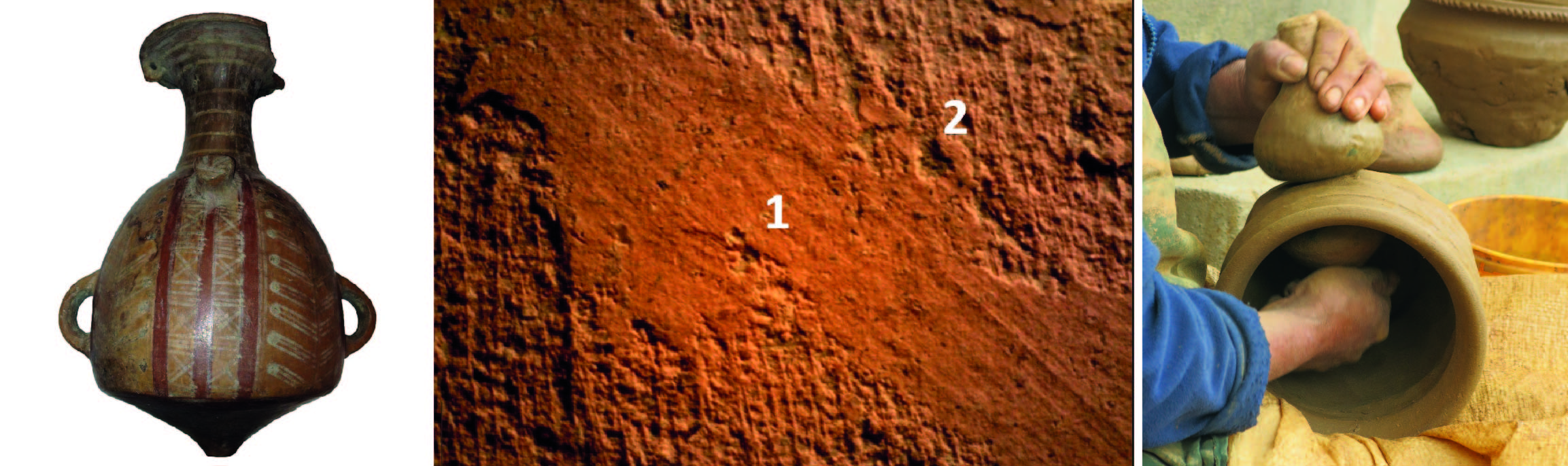
ÉTUDE ETHNOARCHÉOLOGIQUE DE LA CÉRAMIQUE INCA CAÑARI DE SAN MIGUEL DE POROTOS (ÉQUATEUR)
Catherine Lara (ArScAn/Protohistoire égéenne )
Le site de San Miguel de Porotos se trouve au sud des Andes équatoriennes. Depuis au moins 100 av. n. è., cet espace était rattaché au territoire cañari. Vers 1450 d. n. è., les Cañaris ont été conquis par les Incas, originaires du Pérou actuel. Selon un document datant du début de la colonisation espagnole, les Incas auraient implanté un centre de production de poterie cérémonielle à San Miguel. Qui étaient les potiers de ce centre ? Comment ont-ils été choisis ?
C’est ce que le projet archéologique San Miguel de Porotos a cherché à comprendre.
Co-dirigé par Tamara Bray (Wayne State University, États-Unis) et Catherine Lara, ce projet a permis de récupérer un corpus céramique interprété à partir de l’identification des chaînes opératoires. Ce travail a mobilisé deux types de données ethnographiques : un référentiel de stigmates techniques et un programme d’enquêtes ethnographiques sur les phénomènes de l’emprunt et l’expertise. La communication vise à présenter la démarche employée et les
résultats obtenus.
FROM CLAY TO CONTAINERS: HOW THE SAVOIR-FAIRE SHAPES SOCIETIES AND THEIR MATERIAL CULTURE IN SECOND MILLENNIUM BCE MESOPOTAMIA
Costanza Coppini (Université Paris 1/ANHIMA)
Second millennium BCE Mesopotamia was characterized by multivariate ecological and physical environment, which set the scene to a complex socio-economic environment. It is in this timeframe that territorial and local powers alternated, from the superregional and local polities of the Middle Bronze Age to the gradual rise of large territorial powers in the Late Bronze Age, thus postulating a picture of fragmentation that was not only political, but also on the base of material culture. However, was such fragmentation visible in pottery assemblages? Pottery, its production and circulation can be addressed with the aim of determining how their changes relate to economic and political dynamics.
To this regard, the analysis of savoir-faire in the production of ceramic containers will provide data on the socio-cultural and economic context of local communities between the southern alluvial plains and the northern rolling steppes of the region
Organisatrices
Barbara Chiti et Sarah Vilain, pour l’action « Argiles ».